
If you’re planning to build a new house, addition, or major renovation, one of the first steps is obtaining a building permit. What Drawings Are Required to Get a Building Permit? Before a permit can be issued, most building departments require a set of construction drawings that clearly show how the project will be built.
After more than 20 years working as a licensed architect, one of the most common questions I hear from homeowners is: “What drawings are required to get a building permit?”
While requirements vary slightly between municipalities, most permit submissions include a similar group of drawings. These documents allow the building department to confirm that the project meets zoning regulations, building codes, and safety requirements.
Before a permit drawing set is created, the overall layout and concept of the home must first be developed. If you’re starting from the beginning, you may want to read How to Design Your Own House, which explains the early stages of planning a home.
Here are the drawings that are typically required.
Site Plan
The site plan shows how the building sits on the property.
This drawing usually includes:
- Property boundaries
- Building footprint
- Setbacks from property lines
- Driveways and access points
- Easements and utilities
- Existing and proposed structures
- Site impact and coverage
The site plan helps the city confirm that the project complies with zoning rules such as setback requirements and lot coverage limits.
Survey information is often used to prepare this drawing accurately.
Floor Plans
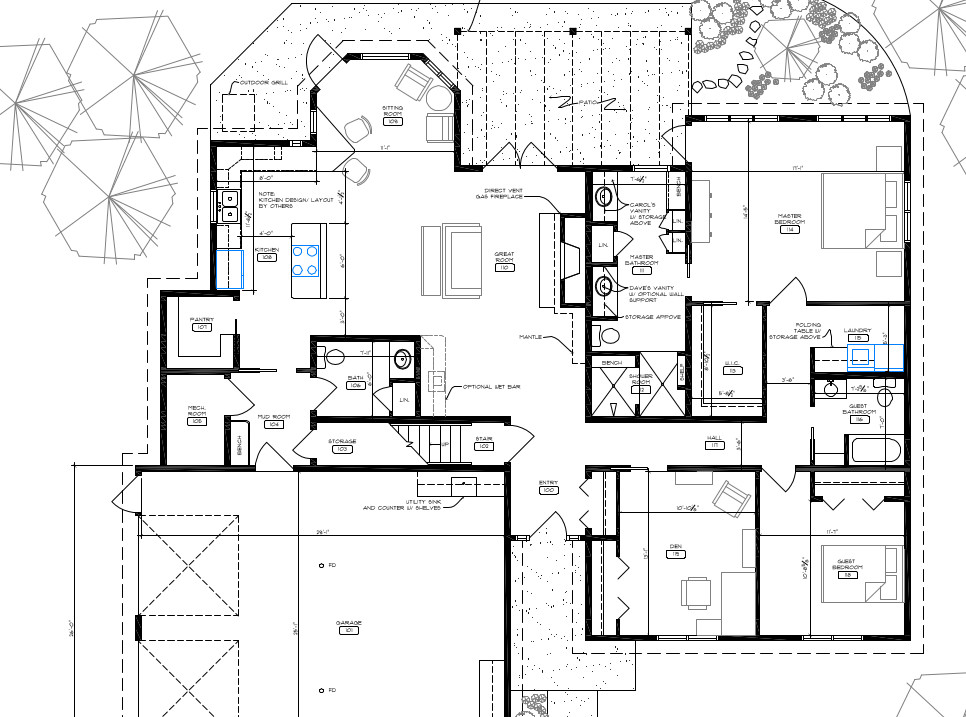
Floor plans are one of the most important parts of the permit set.
A floor plan shows the layout of each level of the building from a top-down view. It identifies the size and function of rooms as well as the location of walls, doors, and windows.
Typical information included in floor plans:
- Room layouts and dimensions
- Door and window locations
- Stairways
- Plumbing fixtures
- Kitchen layouts
- Wall thickness and structural elements
Floor plans help reviewers understand how the building will function and whether it meets code requirements such as minimum room sizes and safe egress paths.
Building Elevations
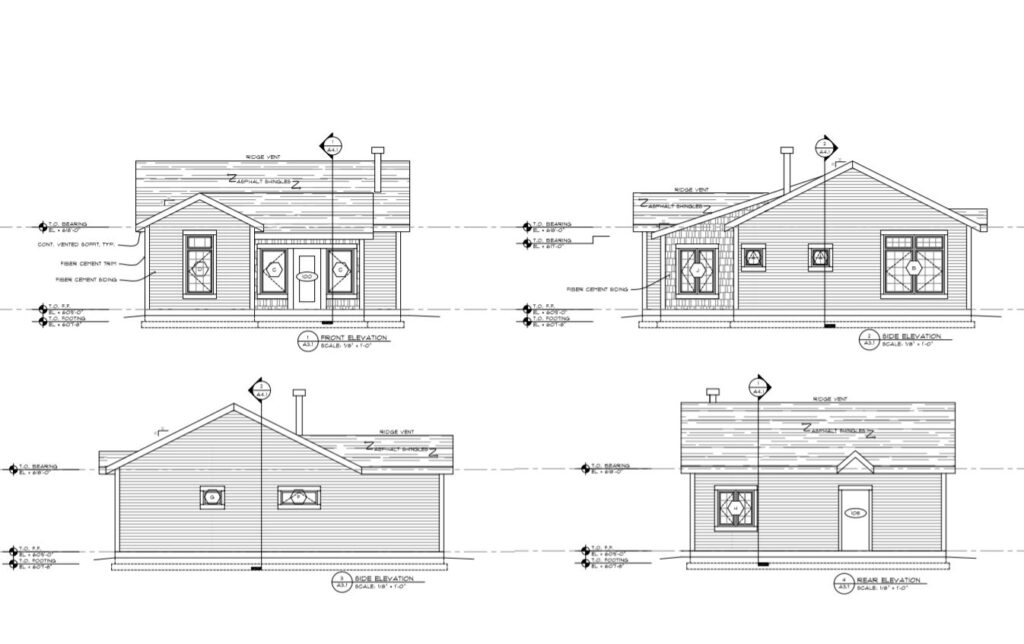
Elevations show the exterior appearance of the building.
These drawings illustrate what the building will look like from each side and typically include:
- Front elevation
- Rear elevation
- Left side elevation
- Right side elevation
Elevations show building height, roof slopes, window placement, exterior materials, and architectural features.
Local zoning departments often use elevations to verify that the structure meets height limits and potential neighborhood design requirements.
Building Sections
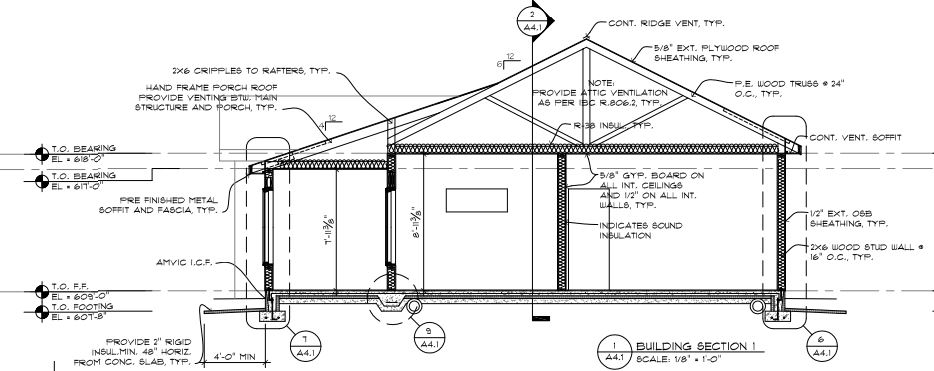
A building section is a vertical cut through the structure.
Sections reveal how the building is constructed from the foundation to the roof.
Information typically shown in sections includes:
- Floor heights
- Foundation depth
- Wall assemblies
- Roof structure
- Ceiling heights
- Insulation and structural layers
Sections help building officials confirm that the structure meets construction and energy code requirements.
Structural Drawings
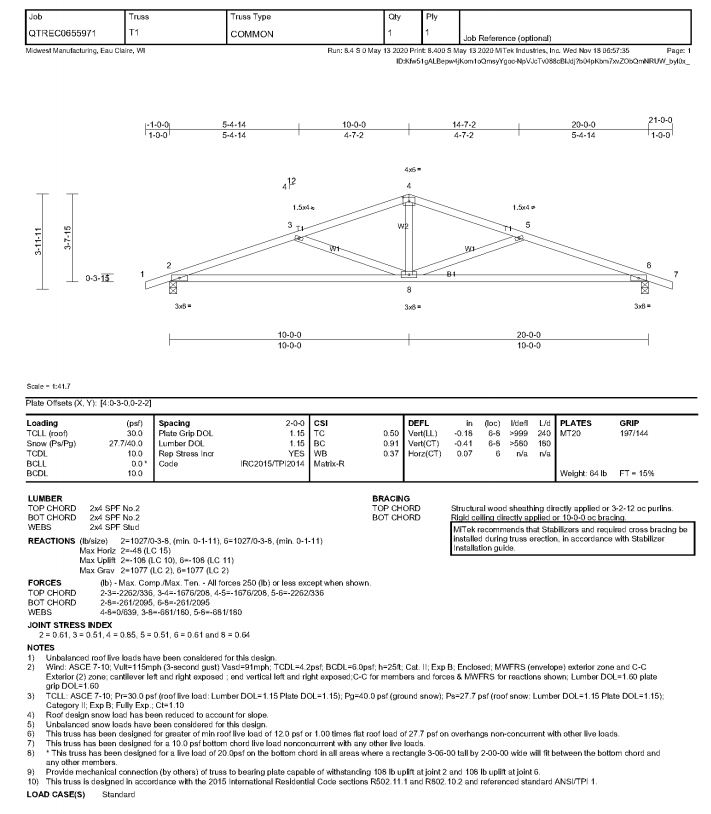
Structural drawings provide detailed information about how the building will safely support loads.
These drawings may include:
- Foundation design
- Beam and column sizes
- Floor framing systems
- Roof framing plans
- Structural connections
In many projects, a structural engineer prepares these drawings or reviews the design to ensure it meets code requirements.
Electrical Plans
Electrical drawings show the layout of lighting, outlets, and electrical systems throughout the building.
Typical elements include:
- Light fixtures
- Switches and receptacles
- Smoke and carbon monoxide detectors
- Electrical panels
These plans help ensure the building meets safety standards and electrical code requirements.
Mechanical and Plumbing Plans
Mechanical plans show heating, cooling, and ventilation systems, while plumbing plans show water supply and drainage systems.
Mechanical drawings may include:
- HVAC equipment locations
- Ductwork layouts
- Ventilation systems
Plumbing drawings typically show:
- Water supply lines
- Drainage systems
- Fixture connections
Together, these plans confirm that building systems are designed safely and efficiently.
Energy Compliance Documents
Many jurisdictions require energy code compliance documentation as part of the permit submission.
These reports demonstrate that the building meets required standards for insulation, windows, air sealing, and overall energy performance.
Energy compliance requirements vary by state but are commonly included in residential permit applications.
Why Complete Drawings Matter
Submitting a clear and complete set of drawings helps the permit review process move much more smoothly.
Incomplete or unclear drawings often lead to plan review comments and delays.
A well-prepared permit set allows reviewers to quickly verify that the project meets all applicable regulations.
It also provides contractors with clear instructions for construction once the permit is approved.
Construction drawings also help contractors provide accurate pricing. Without clear plans, it can be difficult to estimate the true cost to build a house, since many important details may still be undefined.
In most projects, architects are responsible for preparing permit drawings and coordinating engineering requirements. If you’re unsure who to hire first for your project, read Architect vs Builder: Who Should You Hire First?
Final Thoughts
While the exact requirements vary by location, most building permits require a similar group of drawings: site plans, floor plans, elevations, sections, and structural information.
These documents work together to describe how the building will look, how it will function, and how it will be safely constructed.
Understanding what goes into a permit drawing set can help homeowners better prepare for the design process and avoid delays when submitting a project for approval.
Many permit issues actually begin during the early design phase. Avoiding common layout and planning errors can make the permit process much smoother, which is why it helps to understand the 10 biggest mistakes people make when designing a house.
1 thought on “What Drawings Are Required to Get a Building Permit? A Clear Guide for Homeowners”